
Recognize warning signs
Identify low or high pressure, rapid air loss and overheating to help prepare for unplanned stops.
On the road, at the port or in the mine.
Know your tire condition and plan the checks that matter.
From hardware to cloud monitoring and operating reports,
BANF TPMS brings it all together.

From the cab to the office.
A shared view of tire condition. A clearer next step.You cannot check every tire all the time.
Use pressure, temperature and alert history to guide your next inspection.
Identify low or high pressure, rapid air loss and overheating to help prepare for unplanned stops.
Give drivers and maintenance teams a view of each vehicle and tire, so they can prioritize checks.
Review recurring alerts and changes over time to support tire care and maintenance planning.
Review the factors that matter to your operation, including tire life, emergency maintenance and inspection time.
Built for truck and bus tires (TBR)
and off-the-road tires (OTR) in ports and mines.
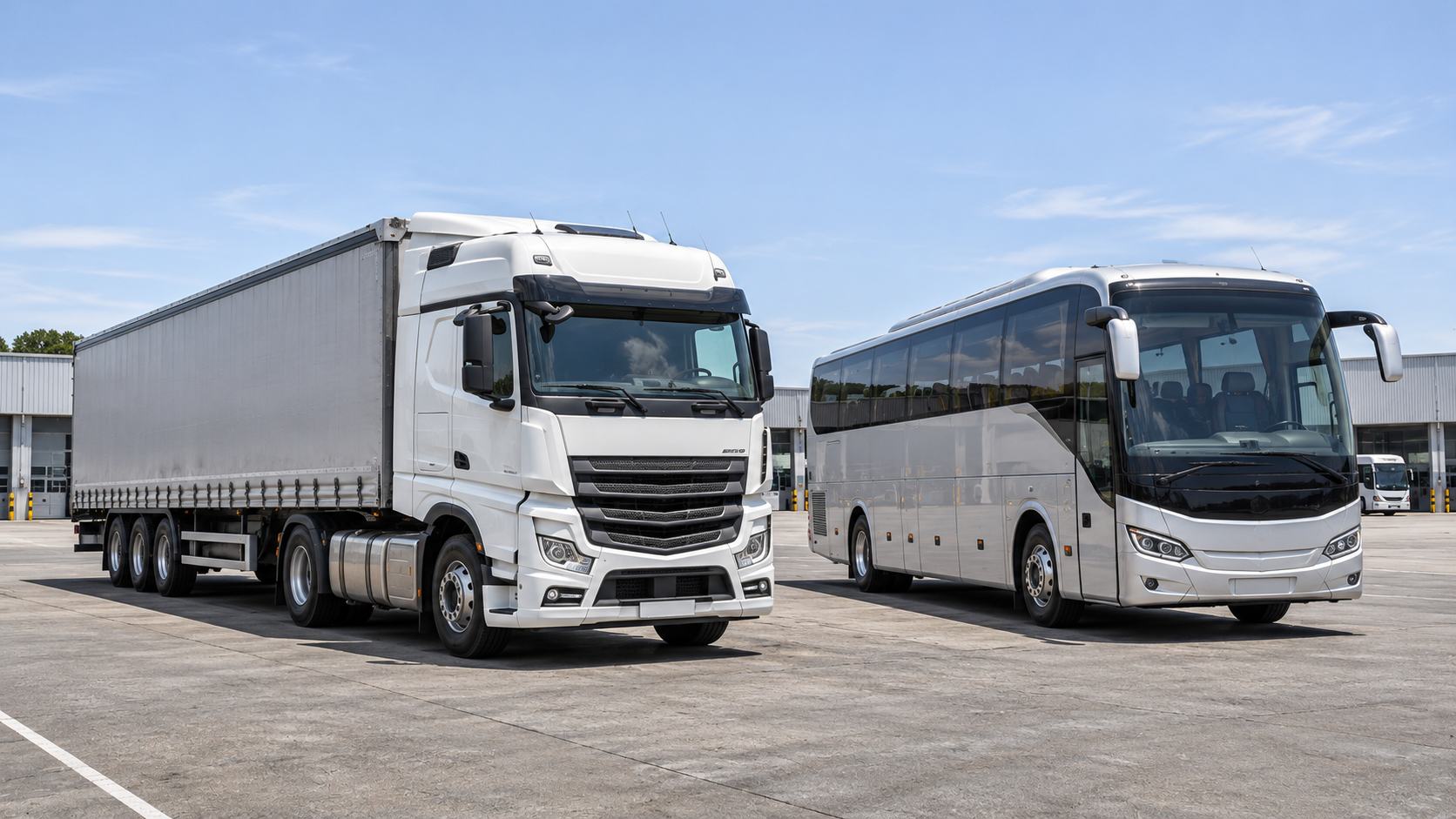 TBR
Plan tire inspections and maintenance around your operating schedule.
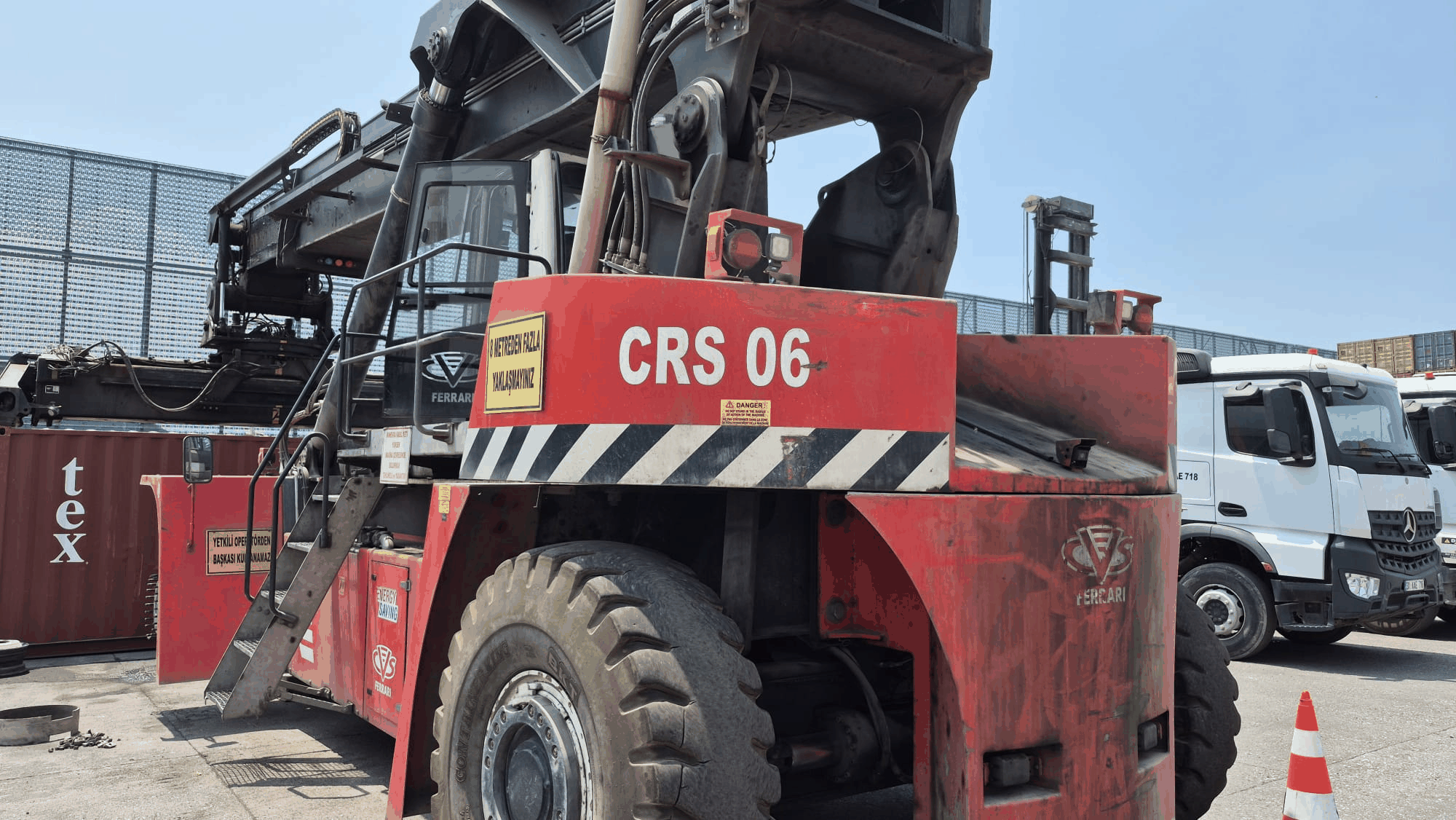 OTR
Share heavy equipment tire condition between the cab and the office.
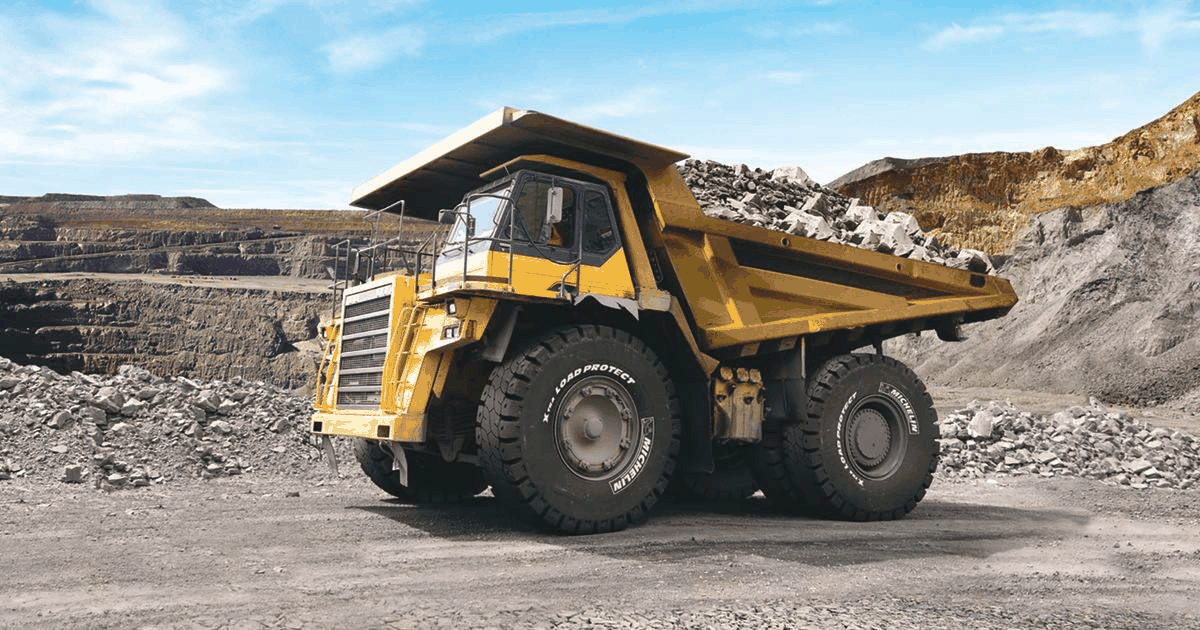 OTR
Configure data collection and connectivity for your vehicle size and working environment.
Choose a connection based on your existing TPMS and telematics equipment.
Configure sensors, a receiver, a gateway and cloud services together. Add fleet monitoring and operating reports through your selected service plan.
Pressure and temperature
Sensors to receiver: RFCollect tire data
Optional repeater for RF coverageGPS location and LTE
Supported receiver interfaceStore and use tire data
Data transmitted over LTERemote monitoring requires communication equipment and a cloud service plan. Receiver interfaces may include RS232, Private CAN or BLE, depending on the selected hardware.
We review vehicle size, tire count and communication conditions
to recommend the right equipment and connections.
Three mounting types.
Choose the right sensor for your tire and installation conditions.
For sensor-to-receiver distances over 10 m, add a repeater as needed after checking RF coverage.
Select by display options, external interfaces and the number of tires to monitor.
GPS positioning and LTE connectivity send vehicle data to the cloud.
Bring tire, GPS and digital tachograph (DTG) data together. Reports and APIs follow your selected service plan.
Use vehicle data, such as OBD or CAN signals, to estimate tire pressure conditions.
Measure pressure and temperature using sensors at each tire position.
Combine directly measured tire positions with estimated positions.
Combine measurement and estimation using iSensor and Smart Profiler technology.
Availability depends on vehicle data and the validated integration scope. Estimated values are distinguished from direct measurements. Temperature is measured at sensor-equipped positions.
Review pressure and temperature alerts alongside sensor status.
Use tire location and event history to prepare the next inspection.
Supported configurations use Auto Location to identify tire positions and associate vehicle and trailer information.
Alert types, thresholds and Auto Location depend on the selected hardware and integration scope.
From tire monitoring in the cab to fleet-wide operating analysis.
View tire condition and alerts from the driver's seat.
View vehicle location and tire condition in one web dashboard.
Receive operating reports and connect the data you need.
Prices shown are annual software subscription ranges. Hardware, installation, connectivity charges and available features are quoted according to the vehicle configuration and contract scope.
| Feature | Basic | Standard | Premium |
|---|---|---|---|
| Pressure and temperature view | Receiver | Web dashboard | Web & external systems |
| Pressure and temperature alerts | Included | Included | Included |
| GPS / LTE and cloud services | — | Included | Included |
| Vehicle status and trip history | — | Included | Included |
| Trip, shift and daily distance | — | Included | Included |
| Daily, weekly, monthly & email reports | — | — | Included |
| Operating KPIs and vehicle utilization analysis | — | — | Included |
| API access and data sharing | — | — | Agreed scope |
| Customer systems and external devices | — | — | Agreed scope |
Put tire condition in the context of vehicle operation.
Get reports that help your team decide what to inspect next.
Review pressure and temperature trends, recorded highs and lows, and alert history.
Use movement time and utilization data to review the operating conditions around each alert.
Review recurring alerts and sensor status to identify the checks your site needs.
Premium service. Analysis depends on the data available from your configuration.
Review pressure, temperature and recurring alerts
Compare with connected location and trip data
Identify tires and sensors that need attention
Illustrative content showing the report structure.
Tire technology recognized around the world.
Recognition relates to BANF and its intelligent tire technology. It is not certification of every TPMS configuration.
We first review whether compatible factory sensors, receivers and vehicle interfaces can be used. Data access, tire identifiers, update intervals and communication protocols determine which additional equipment is needed.
We select a receiver to match the tire count and vehicle layout. If the sensor-to-receiver distance exceeds 10 m, we review repeater options and validate placement against actual RF coverage.
We review device interfaces such as RS232, Private CAN and BLE, together with the data format. Where needed, vehicle information is assessed through a separate Vehicle CAN connection. Agreed data can also be provided to customer systems through APIs.
Yes. A Basic configuration with a display receiver lets you view tire condition and alerts in the cab. Add communication equipment and a connected service plan for cloud monitoring and remote access.
We use your operating environment, vehicle type and tire information to review hardware placement and integration. Where operating and cost data are available, we also assess potential operating benefits. The report states the assumptions and scope used.
Your operating environment, vehicles and tires.
That is enough to start the conversation.
We review operating conditions and existing equipment.
We outline the configuration and expected benefits under stated assumptions.
After on-site validation, start your selected service.